
 EN/
EN/ Romana
Alocasia zebrina Ø10.5cm
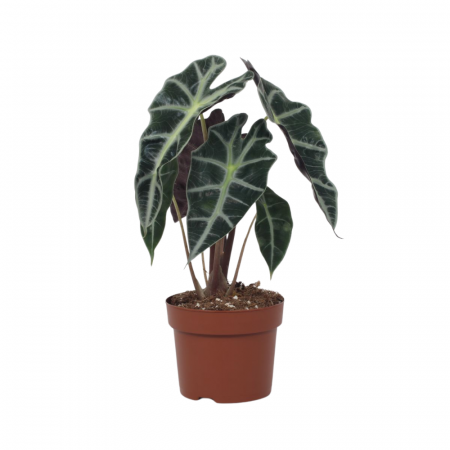
![Alocasia zebrina with zebra-striped petioles and arrow leaves [1]](https://gomagcdn.ro/domains2/eufloria.ro/files/product/original/alocasia-zebrina-d10-5cm-591194.jpg "Alocasia zebrina with zebra-striped petioles and arrow leaves [1]")
Alocasia zebrina — Philippine species with zebra-striped black-yellow petioles and deep green arrow-shaped leaves. Dramatic tropical piece.
Note: Product images are for guidance only. Due to different batches of imported products, there may be differences between the images on the website and the actual appearance of the products.
Approx height (including pot): 20-40 cm
Culoare flori: Fara flori
Flowering state: Fara flori
Country of origin: Philippines
Pot diameter: 10.5 cm
- Description
- Characteristics
- Reviews (0)
- FAQ
🌿 Alocasia zebrina — zebra feet
Alocasia zebrina is a spectacular Philippine species, remarkable for leaf petioles (stalks) featuring a distinctive zebra-stripe pattern of black and cream-yellow. Leaves are arrow-shaped, deep green, with prominent veins. The exotic appearance with zebra stalks has made it very popular in recent years.
Grows moderately, with leaves reaching 60-90 cm on long petioles. A dramatic piece for tropical decor.
🌍 Origin
Philippines, humid tropical forests.
🌱 How to care for it
Bright indirect light, humidity 60-80%, temperatures 20-28°C. Airy well-drained substrate. Moderate watering when top layer is dry.
🌸 Flowering
Flowers in cream-white spadix with greenish spathe, rare.
🌿 Safety
Toxic to cats and dogs (needle-like calcium oxalates). Keep STRICTLY away from pets.
Lungime: 15-25 cm
Greutate (kg): 0.5 Kg
Denumire: Alocasia
Diametru: 10.5 cm
Cerințe lumină: Lumina indirecta
Tip plantă: Planta de interior
Utilizare: Decor interior
Tip suport: Ghiveci
Material Suport: Plastic
Ghiveci_decorativ: Nu
How do I care for Alocasia zebrina?
Alocasia zebrina prefers bright indirect light, temperatures of 18-27°C (64-80°F), and high humidity above 60%. Keep the substrate slightly moist but well-drained. Fertilize biweekly during the warm season. Avoid cold draughts and direct sunlight which can burn the leaves.
Is Alocasia zebrina toxic to pets?
Yes, Alocasia zebrina is TOXIC to dogs, cats, and humans. All parts of the plant contain calcium oxalate crystals that can cause mouth, tongue, and throat irritation, excessive drooling, difficulty swallowing, and vomiting. Keep the plant away from children and pets.
Why are my Alocasia zebrina leaves turning yellow?
Yellowing leaves on Alocasia zebrina can have several causes: overwatering or underwatering, too much or too little light, low temperatures or cold draughts, or simply the natural ageing process of older leaves. Check the watering regime first — it is the most common cause.
Why does Alocasia zebrina have striped stems?
The distinctive zebra stripes on Alocasia zebrina's petioles (stems) are a natural genetic trait that gives the species its name. The petioles display a zigzag pattern in shades of yellow-green and dark green, reminiscent of zebra skin. This characteristic is unique in the plant world and makes Alocasia zebrina one of the most photogenic tropical plants.
Does Alocasia zebrina go dormant in winter?
Yes, Alocasia zebrina can enter a dormancy period in winter, especially in reduced light and lower temperature conditions found indoors. It may lose some or even all of its leaves, but remains alive through its underground tuber. Reduce watering and stop fertilizing during this period. In spring, when conditions improve, the plant will produce new leaves from the tuber.
What makes Alocasia zebrina stems special?
Alocasia zebrina has unique zebra-patterned stems - black stripes on a light green background. This decorative pattern makes the plant a true focal point in any room.
Why is it called 'zebrina'?
The name (from Latin 'zebra') refers to the petioles (leaf stalks) with distinct cream-white and black-brown stripes, recalling a zebra's coat. It's the defining characteristic of the species.
Is it toxic?
Yes, very toxic to cats and dogs (needle-like calcium oxalates). Ingestion causes severe oral irritation, drooling and swelling. Keep STRICTLY away from pets.
How to care for it?
Bright indirect light, humidity 60-80%, temperatures 20-28°C, airy well-drained substrate. Moderate watering when top layer is dry.
Does it need dormancy?
May go dormant in winter with leaves falling - this is normal. Reduce watering and provide low light. Growth resumes in spring.
How to propagate?
By division of underground corms at repotting or separation of offsets from mother plant base.
Ai nevoie și de un ghiveci decorativ?







